Art Criticism and Curatorial Studies School

The School of Art Criticism and Curatorial Studies is now accepting applications for the 2025–2027 academic year.

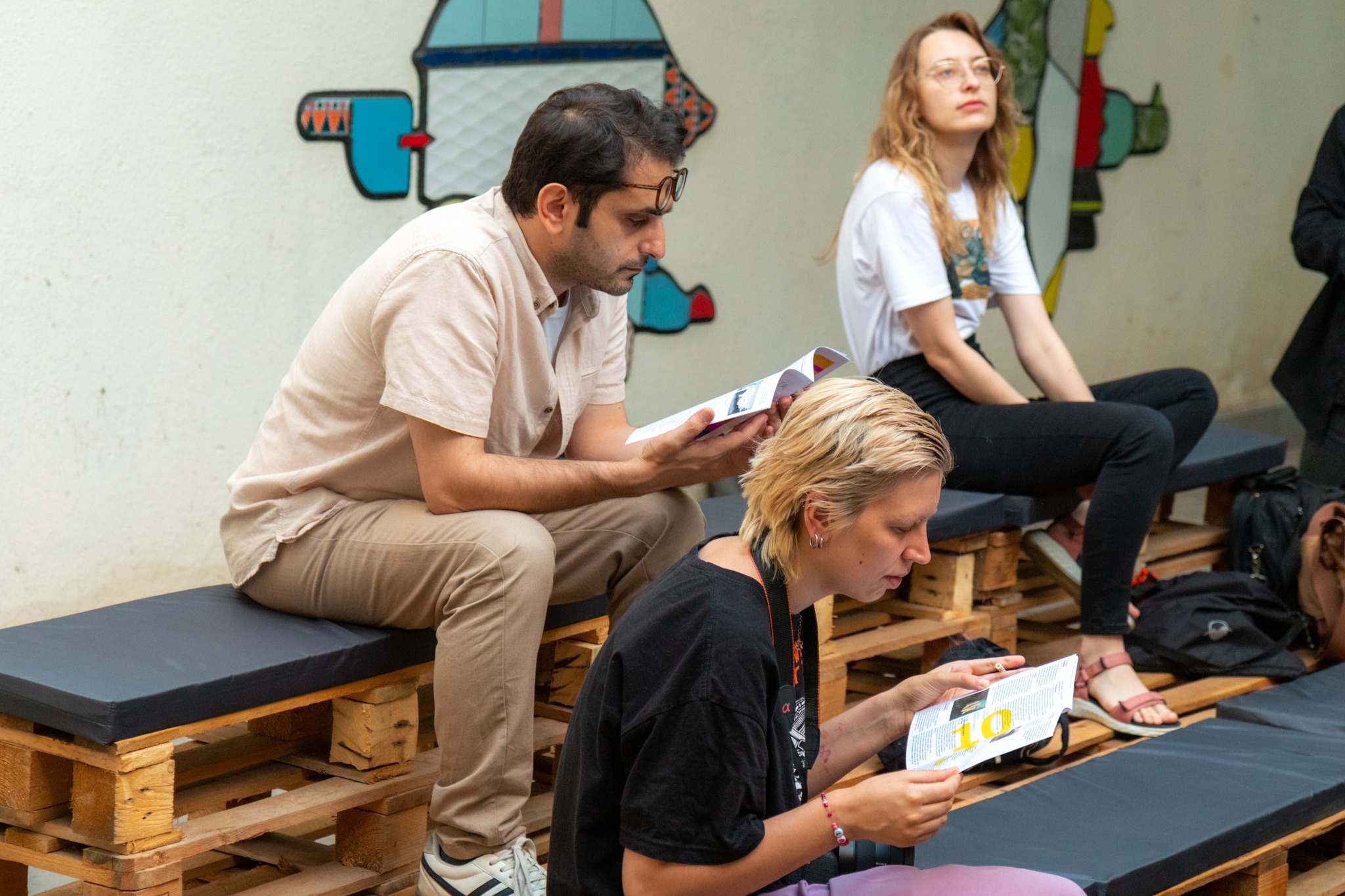
This program is intended for individuals who are interested in and wish to acquire knowledge and skills in the fields of art criticism and curatorial practice.

All applicants must have a higher education degree, be able to read and understand English fluently, and preference will be given to those with prior studies in various fields of fine arts or those who hold a Bachelor’s degree in Art History, Cultural Studies, or the Humanities.

Spots are limited!

We wish you the best of luck with your application and would like to remind you that the deadline for submitting the application package is September 15, 2025.

Description of the Subject of Study

Although the art critic and the curator operate in the same professional sphere and both serve as intermediaries between the artist and the public—each engaged in presenting, interpreting, and explaining artworks—they still remain distinct figures within the field of contemporary art.

The art critic’s engagement with the artwork is indirect, involving only their gaze; their work is entirely literary in nature. Their primary tools are the pen, the word, and language. The curator, while not entirely divorced from writing and speech (especially when it comes to conceptualizing and articulating ideas), is involved in a much more gestural and plastic manner. Their involvement is physical and material—and equally managerial and economic—requiring planning, fundraising, execution, and more. Their activity also includes communication (press releases, correspondence, negotiations, etc.) and, not least, project-architectural work (as it involves spatial planning, organizing artworks, distributing them, and constructing the exhibition layout).

Despite these differences, the kinship between the work of the critic and the curator is undeniable—not only sociologically or functionally but also operationally: both engage in the act of selection and evaluation of the artist and the artwork, a process that, while varying in method, is always deeply personal.

General Program Content

The curriculum is built on the above-mentioned characteristics of the subject of study. It draws from various fields of art theory: Armenian and global art history, contemporary art theories, the history of architectural thought, methods for analyzing images and signs, as well as elements from cultural and humanities studies and philosophy.

Over the course of two years, students will attend a range of courses and seminars. Through theoretical and practical sessions, they will gain the knowledge and skills necessary to work in one or both of these fields. A key part of this learning outcome will be the final graduation project, which will be developed and implemented during the second year through group discussions and collaborative work.

Thus, the program includes both theoretical and practical components.

General Program Content

The curriculum is built on the above-mentioned characteristics of the subject of study. It draws from various fields of art theory: Armenian and global art history, contemporary art theories, the history of architectural thought, methods for analyzing images and signs, as well as elements from cultural and humanities studies and philosophy.

Over the course of two years, students will attend a range of courses and seminars. Through theoretical and practical sessions, they will gain the knowledge and skills necessary to work in one or both of these fields. A key part of this learning outcome will be the final graduation project, which will be developed and implemented during the second year through group discussions and collaborative work.

Thus, the program includes both theoretical and practical components.

First Year: Theoretical Courses

Art History Module:

  • The Myth of Modern Armenian Art History (Lecturer: Nazareth Karoyan)

  • History of Modern and Contemporary Art (Lecturer: Anna Galstyan)

  • Modern Armenian Art (Lecturer: Lilit Sargsyan)

  • History of Contemporary Armenian Art (Lecturer: Nazareth Karoyan)

Architecture and Urban Environments:

  • History of Architectural Thought (Lecturer: Ruben Arevshatyan)

Cultural Studies Module:

  • Visual Studies (Lecturer: Hrach Bayadyan)

  • Culture and Technology (Lecturer: Hrach Bayadyan)

  • Media Studies (Lecturer: Hrach Bayadyan)

Philosophy Module:

  • Contemporary Philosophy (Lecturer: Naira Mkrtchyan)

  • Philosophy of Art (Lecturer: Davit Mosinyan)

Sociology of Art Module:

  • Socially Engaged Art (Lecturer: Hrachya Kazhoyan)

Second Year

The second year will be dedicated to acquiring practical skills and completing the final graduation project.

Admission Procedure and Conditions

Applicants can choose between two types of enrollment:

1. Student

Those wishing to enroll as full-time students should send a CV and a motivation letter to icaevn@gmail.com, with the subject line: “School of Art Criticism and Curatorial Studies”.

  • The annual tuition fee is 250,000 AMD.

  • Continuation into the second academic year is conditional upon the student’s performance and attendance during the first year.

  • Students working on their final project may receive financial support to implement it.

Courses will be held three times per week in the evenings, with two sessions per evening.

2. Auditor

Those who wish to attend individual courses without academic obligations may enroll as auditors. The fee depends on the duration of the course:

  • Short-term course (once a week for two months): 40,000 AMD

  • Mid-length course (once a week for 4.5 months): 60,000 AMD

  • Long-term course (once a week for nine months): 90,000 AMD

Political Theory / Philosophy

The course covers the theories and teachings of a number of key thinkers of the 20th and 21st centuries (such as I. Berlin, J. Rawls, H. Arendt, J.Butler and others). How to perceive freedom? Why are human relations characterized as brittle? Is human vulnerability unevenly distributed and why? What does this mean in terms of human life? How is possible justice and forgiveness? These and other issues, as well as the above-mentioned teachings and theories, often go beyond the limits of philosophy and are placed in the field of interdisciplinary research. Some of the authors include those who oppose official institutions and situations in which they exist. Others, on the contrary, have started their activity within these institutions. This difference (sometimes even contradictory) is expressed, and perhaps even conditioned, first of all, in their ways of pondering and philosophizing. Thus, this can be a possibility of imagining the diversity of the intellectual spectrum of the observed period. In addition to the lectures, the course will provide some smaller texts of these authors for the reading and discussion.

The course is conducted by Naira Mkrtchyan


History of Armenian Contemporary Art. Spatialization of the Modernity

The course covers the theories and teachings of a number of key thinkers of the 20th and 21st centuries (such as I. Berlin, J. Rawls, H. Arendt, J.Butler and others). How to perceive freedom? Why are human relations characterized as brittle? Is human vulnerability unevenly distributed and why? What does this mean in terms of human life? How is possible justice and forgiveness? These and other issues, as well as the above-mentioned teachings and theories, often go beyond the limits of philosophy and are placed in the field of interdisciplinary research. Some of the authors include those who oppose official institutions and situations in which they exist. Others, on the contrary, have started their activity within these institutions. This difference (sometimes even contradictory) is expressed, and perhaps even conditioned, first of all, in their ways of pondering and philosophizing. Thus, this can be a possibility of imagining the diversity of the intellectual spectrum of the observed period. In addition to the lectures, the course will provide some smaller texts of these authors for the reading and discussion.

The course is conducted by Nazareth Karoyan


Post-war Avant-guard and Contemporary Art History

The features of contemporary art are endless – a variety of materials and styles, artistic pluralism. It views art as an experience, it is a tool for change. The viewer becomes part of the artwork, it is open and drives to dialogue and discussion, raising social consciousness, removing art outside of museums, interdisciplinary research, and exploring ideas, concepts, questions and practices in general.
The basis of all the above points is largely considered to be Marcel Duchamp, who is standing on the threshold of contemporary and modern paths, and about whom can be not spoken from the very beginning. Further, a transition will be made to key, pivotal movements or art stages that form and maintain contemporary art. The basis of the training will be not only images but also the textual works of the same artists and critics that have shaped the context of the cultural event context.

The course is conducted by Anna Galstyan


Media Studies

Introduction: Media studies as a multidisciplinary or interdisciplinary field of research: prerequisites, development conditions, commitments, spread and use.

Part One: Media Text Analysis – In this part of the course, the fundamentals of media semiotics, as well as the main means of organizing media texts (genre, narrative) and their contemporary transformations will be discussed. Further examples of media analysis (advertising, photography, film) will be considered. Particular attention will be paid to photography and cinema.

Part Two: Media-Society Relationships -This section of the course will address a number of issues. From what viewpoints can the interactions between media and culture (cultural identity in particular) be considered? What is “politics of representation”? What is ideology and how to approach the issue of media-government relations?

Other topics of the course include mass culture, advertising and consumerism, media and globalization issues.

The course is conducted by Hrach Bayadyan


Urban Environment and Historical – Cultural Communication

The concept of “city”, stories about genealogy and urbanization of cities and urban cultures. Urban space and architecture as a means of understanding the multi-dimensional nature of public-political, cultural paradigms.

The course is conducted by Ruben Arevshatyan

2008 – Exhibition Work & Coverage

Lilit Bajbeouk-Melikyan, Nora Galfayan,Karin Grigoryan, Arusyak Gyulbudaghyan, Marianna Hovhannissyan, Tatevik Lazaryan, Nazaeli Ohanyan, Ani Petrosyan, Arpine Saribekyan, Ophelia Zakaryan

2009 – 2010 – Cultural Project Design & Coverage

Elena Aydinyan, Harutyun Alpetyan, Armenak Grigoryan, Arevik Grigoryan, Lilit Ghalechyan, Karin Grigoryan, Nelli Edigaryan, Lusine Hamasyan, Lianna Khachatryan, Sona Melik-Karamyan, Taguhi Torosyan, Ovsanna Shekoyan, Seda Shekoyan, Gor Yengoyan, Nvard Yerkanyan 

2010-2012- Curatorial Project Design and Implementation

Sona Asatryan, Anush Arshakyan, Tigran Grigoryan, Mariam Loretsyan, Inna Kholodova, Vaghinak Ghazaryan, Lusine Navasardyan, Eduard Paskevichyan, David Vardanyan, Susanna Vardanyan 

ICA’s Art Criticism & Curatorial Studies School

2012-2014 School Year

Armine Babayan, Vahe Budumyan, Sofa Danielyan, Ninel Melkonyan, Haykuhi Minasyan, Lena Nazaryan, Lilit Nikoghosyan, Liza Sargsyan, Arpy Ohanyan, Ani Papoyan, Lilit Petrosyan, Nare Sahakyan, Marianna Vardanyan, Anna Zhamakochyan

2013 – 2015 School Year

Lilit Antonyan, Karine Aroyan, Ani Asatryan, Nune Aydinyan, Ruzanna Grigoryan, Tereza Davtyan, Elza Martirossyan, Sonya Msryan, Haik Petrossyan, Sona Qalantaryan

2014 – 2016 School Year

Hripsme Asatryan, Flora Armenakyan, Arpi Balyan, Kristine Gevorgyan, Anahit Ghazaryan, Anna Grigoryan, Seda Grigoryan, Karina Hakobyan, Anna Hambardzumyan, Anush Khachatryan, Gohar Khachatryan, Nane Khachatryan, Mikael Petrosyan, Hasmik Tangyan

2018 – 2019 School Year

Tigran Alexanyan, Susanna Amujanyan, Sona Arsenyan, Lililt Grigoryan, Marine Khachatryan, Roland Khachatryan, Ani Tunyants, Maria Zakaryan

Karin Grigoryan

Photography researcher, translator

Nora Galfayan

Cultural manager, co-founder of FOCUS art NGO.

Marianna Hovhannisyan

Curator and a researcher

Nazaeli Ohanyan

Cultural journalist, broadcaster

Gor Yengoyan

Visual artist and curator.

Taguhi Torosyan

An art worker

Harutyun Alpetyan

Art curator and engineering consultant

Armenak Grigoryan

Visual artist, curator and art critic

Liana Khachatryan

Fine Arts teacher

Sona Melik-Karamyan

Researcher- Content writer at Sigma Telecom Company

Arevik Grigoryan

Painter, designer, manuscript restorator

Lousineh Navasartian

Visual artist and a graphic designer

Sona Asatrian

Curator

Inna Kholodova

An engineer and a sketcher

Nareh Sahakyan

Researcher and curator

Vahe Budumyan

Visual artist

Anna Zhamakochyan

Sociologist, curator and art critic

Lena Nazaryan

Deputy of National Assembly of Armenia

Marianna Vardanyan-Mishoyan

Digital marketing and communications specialist

Arpi Ohanyan

Art historian graduated from Yerevan State University

Teresa Davtyan

Independent curator

Lilit Antonyan

Independent art curator

Marine Khachatryan

Art critic and a researcher

Lilit Grigoryan

Maria Zakaryan

Website Content Writer

Ani Tuniyants

Quality Assurance Engineer

2012-2014 School Years

Lena Nazaryan
It would be a place would go to work

Nare Sahakyan
Fragments of the conceptual art in 1990s . Relationships, attitudes

Vahe Budumyan
Factography and subversion: The Strategies of Contemporary Art of Armenia in 2000es

Nvard Yerkanian

Visual designer and graphic artist

Elena Aydinyan

Art critic, the editor of Critical Review, member of AICA-Armenia

Hrach Bayadyan

A cultural critic

Ruben Arevshatyan
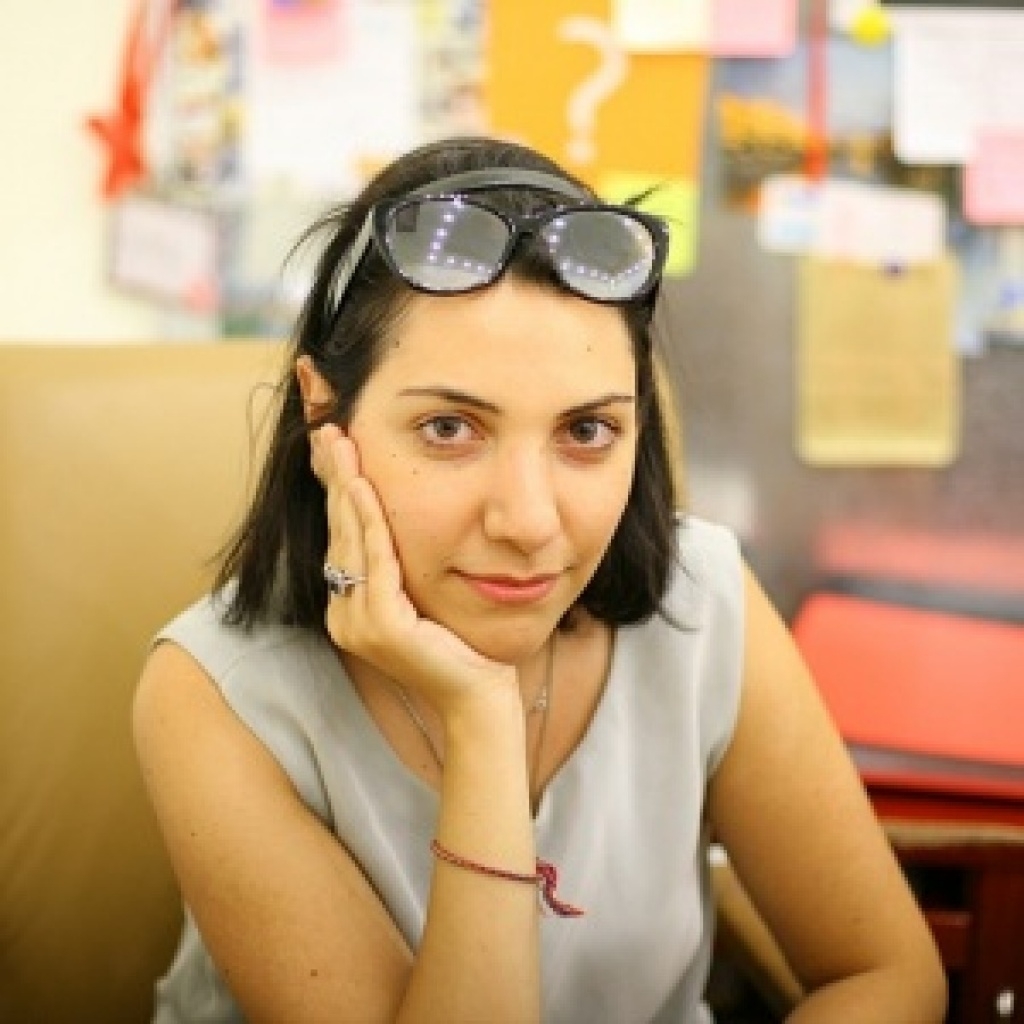
Art critic, curator, artist

Zhanna Andreasyan

Sociologist, PhD

Vardan Azatyan
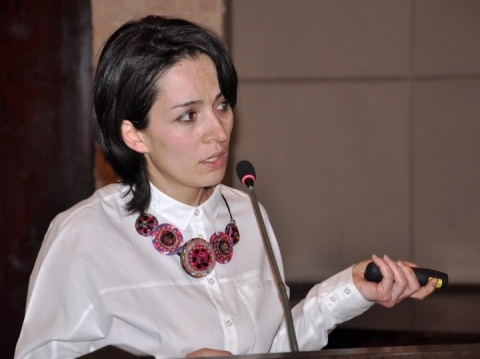
Art historian, theoretician and translator, Associate Professor of Art History and Theory at the Yerevan State Academy of Fine Arts

Vahram Aghasyan

Visual artist, theorist and curator. A member of “Komuna” social-cultural platform

Vardan Jaloyan

Culturologist, art critic and curator

Arman Grigoryan

Visual artist, art critic and a curator

Susanna Gyulamiryan

Art curator and critic, co-founder and president of “Art and Cultural Studies Laboratory” (ACSL) NGO. A member of AICA – Armenia

Angela Harutyunyan

Art historian and curator, Associate Professor of Art History at the American University of Beirut

Siranush Dvoyan

Literary studies scholar and lecturer of Comparative Literature at the American University of Armenia

Anna Galstyan
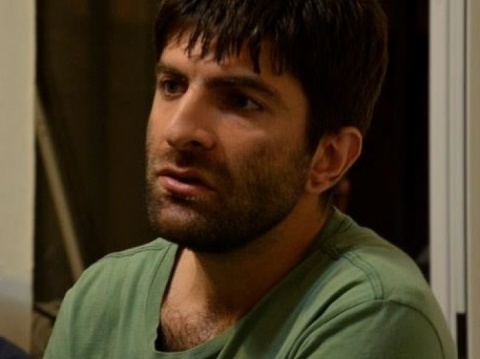
Art historian, senior lecturer at Yerevan State Academy of Fine Arts

Sona Harutyunyan
Curator, art historian, founding president of the

Nazareth Karoyan
Art critic, curator, translator, director of the Institute for Contemporary Art-Yerevan
Eva Khachatryan

Independent curator, Vice-President of AICA Armenia and member of CIMAM

Grigor Simonyan

International Humanitarian Project Manager in the field of public health in Africa, Asia and Eastern Europe

Naira Mkrtchyan

Holds a PhD in Philosophy, currently an Associate Professor at Yerevan State University

Misak Khostikyan

Architect, historian and theoretician of architecture

Ashot Voskanyan

PhD in Philosophy, Associate Professor at the Yerevan State University and Adjunct Associate Professor at the American University of Armenia

Lilit Sargsyan

Art critic and curator, senior researcher at the Russian Museum of Armenia (collection of prof. A. Abrahamyan)

Samvel Partamyan

Painter, graphic designer, publisher