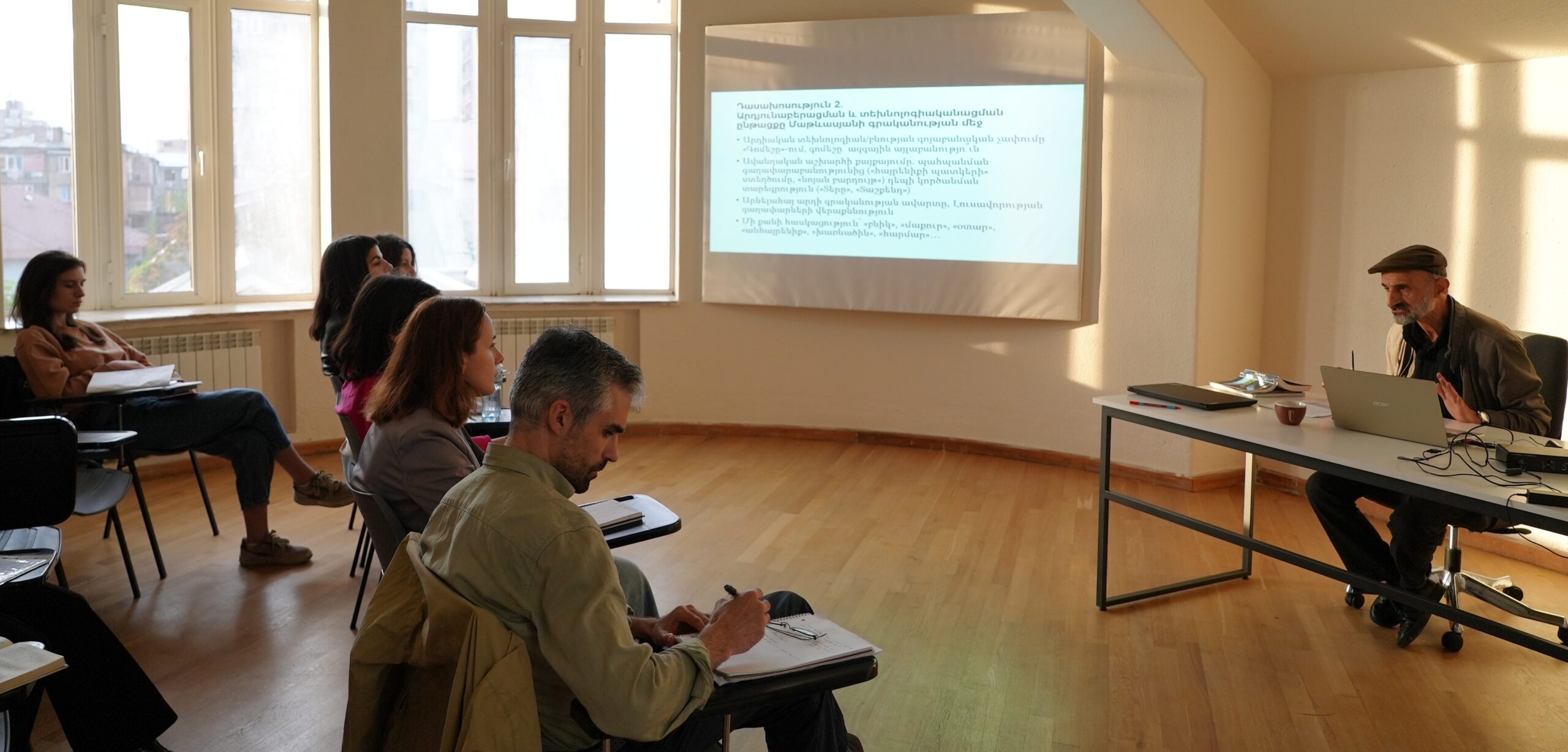
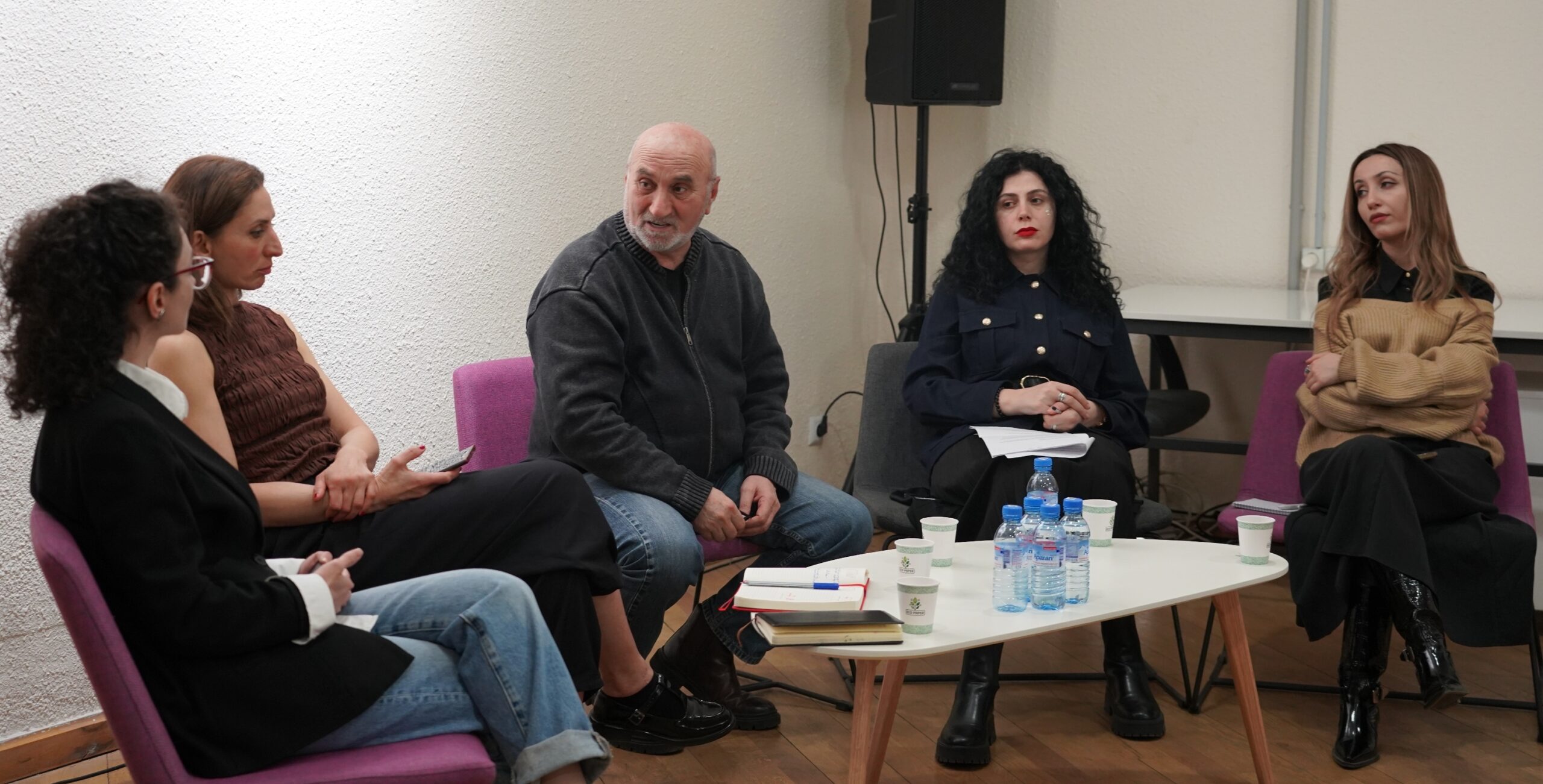
Art Criticism and Curatorial Studies School
The School of Art Criticism and Curatorial Studies is now accepting applications for the 2025–2027 academic year.
This program is intended for individuals who are interested in and wish to acquire knowledge and skills in the fields of art criticism and curatorial practice.
All applicants must have a higher education degree, be able to read and understand English fluently, and preference will be given to those with prior studies in various fields of fine arts or those who hold a Bachelor’s degree in Art History, Cultural Studies, or the Humanities.
Spots are limited!
We wish you the best of luck with your application and would like to remind you that the deadline for submitting the application package is September 15, 2025.
Description of the Subject of Study
Although the art critic and the curator operate in the same professional sphere and both serve as intermediaries between the artist and the public—each engaged in presenting, interpreting, and explaining artworks—they still remain distinct figures within the field of contemporary art.
The art critic’s engagement with the artwork is indirect, involving only their gaze; their work is entirely literary in nature. Their primary tools are the pen, the word, and language. The curator, while not entirely divorced from writing and speech (especially when it comes to conceptualizing and articulating ideas), is involved in a much more gestural and plastic manner. Their involvement is physical and material—and equally managerial and economic—requiring planning, fundraising, execution, and more. Their activity also includes communication (press releases, correspondence, negotiations, etc.) and, not least, project-architectural work (as it involves spatial planning, organizing artworks, distributing them, and constructing the exhibition layout).
Despite these differences, the kinship between the work of the critic and the curator is undeniable—not only sociologically or functionally but also operationally: both engage in the act of selection and evaluation of the artist and the artwork, a process that, while varying in method, is always deeply personal.
General Program Content
The curriculum is built on the above-mentioned characteristics of the subject of study. It draws from various fields of art theory: Armenian and global art history, contemporary art theories, the history of architectural thought, methods for analyzing images and signs, as well as elements from cultural and humanities studies and philosophy.
Over the course of two years, students will attend a range of courses and seminars. Through theoretical and practical sessions, they will gain the knowledge and skills necessary to work in one or both of these fields. A key part of this learning outcome will be the final graduation project, which will be developed and implemented during the second year through group discussions and collaborative work.
Thus, the program includes both theoretical and practical components.
General Program Content
The curriculum is built on the above-mentioned characteristics of the subject of study. It draws from various fields of art theory: Armenian and global art history, contemporary art theories, the history of architectural thought, methods for analyzing images and signs, as well as elements from cultural and humanities studies and philosophy.
Over the course of two years, students will attend a range of courses and seminars. Through theoretical and practical sessions, they will gain the knowledge and skills necessary to work in one or both of these fields. A key part of this learning outcome will be the final graduation project, which will be developed and implemented during the second year through group discussions and collaborative work.
Thus, the program includes both theoretical and practical components.
First Year: Theoretical Courses
Art History Module:
The Myth of Modern Armenian Art History (Lecturer: Nazareth Karoyan)
History of Modern and Contemporary Art (Lecturer: Anna Galstyan)
Modern Armenian Art (Lecturer: Lilit Sargsyan)
History of Contemporary Armenian Art (Lecturer: Nazareth Karoyan)
Architecture and Urban Environments:
History of Architectural Thought (Lecturer: Ruben Arevshatyan)
Cultural Studies Module:
Visual Studies (Lecturer: Hrach Bayadyan)
Culture and Technology (Lecturer: Hrach Bayadyan)
Media Studies (Lecturer: Hrach Bayadyan)
Philosophy Module:
Contemporary Philosophy (Lecturer: Naira Mkrtchyan)
Philosophy of Art (Lecturer: Davit Mosinyan)
Sociology of Art Module:
Socially Engaged Art (Lecturer: Hrachya Kazhoyan)
Second Year
The second year will be dedicated to acquiring practical skills and completing the final graduation project.
Admission Procedure and Conditions
Applicants can choose between two types of enrollment:
1. Student
Those wishing to enroll as full-time students should send a CV and a motivation letter to [email protected], with the subject line: “School of Art Criticism and Curatorial Studies”.
The annual tuition fee is 250,000 AMD.
Continuation into the second academic year is conditional upon the student’s performance and attendance during the first year.
Students working on their final project may receive financial support to implement it.
Courses will be held three times per week in the evenings, with two sessions per evening.
2. Auditor
Those who wish to attend individual courses without academic obligations may enroll as auditors. The fee depends on the duration of the course:
Short-term course (once a week for two months): 40,000 AMD
Mid-length course (once a week for 4.5 months): 60,000 AMD
Long-term course (once a week for nine months): 90,000 AMD
Հայ ժամանակակից արվեստի պատմություն. արդիության տարածականացումը
Դասընթացավար՝ Նազարեթ Կարոյան
«Այդ Իգիթյանը լկտիաբար հայտարարեց, որ եթե նշանակված օրը թանգարանը չբացվի, ապա ինքը «ողջ պրոսպեկտը՝ Մատենադարանից մինչև քաղսովետ, կլցնի ուսանողներով և «Ամերիկայի Ձայնը», ԲԻ- ԲԻ-ՍԻ-ն ու զանգվածային տեղեկատվության հակասովետական բոլոր միջոցները այդ մասին կհայտնեն աշխարհով մեկ»։ Տես՝ Զարգարյան Յ.Ս. “Այդ Իգիթյանը” 2001, էջ 215-216
Դասընթացն անդրադառնում է 20-րդ դարի երկրորդ կեսի և 21-րդ դարի առաջին տասնամյակի հայ մոդեռն և ժամանակակից արվեստի պատմությանը՝ այն դիտարկելով իբրև աշխարհում մոդեռն արվեստի երկու՝ գեղագիտական և քաղաքական հարթությունների վրա տարածման ու տարածականացման արգասիք։ Դասընթացի տասնհինգ դասախոսությունների մեջ ամփոփված վեց թեմաները կուրվագծեն մի կողմից մոդեռիստական արվեստի ունիվերսալ լեզվի տեղական հարմարեցումները, մյուս կողմից ամբողջատիրական ռեժիմի պայմաններում այդ հարմարեցումների ներկայացման սահմանափակությունը հաղթահարելուն ուղղված նախաձեռնությունները։ Դասընթացում առանձնահատուկ ուշադրություն կհատկացվի այս երկու հարթությունների հատումներին՝ Գեղագիտական Մոդեռնիզմին՝ իբրեւ ներդրում քաղաքական ազգայնականության մեջ, և Քաղաքական Ազգայնականությանը՝ իբրև գեղագիտական մոդեռնիզմը վերաձևակերպող և այն դեպի ժամանակակից արվեստը մղող ուժ։
Քաղաքական տեսություն / Փիլիսոփայություն
Դասընթացավար՝ Նաիրա Մկրտչյան
Դասընթացն ընդգրկում է 20-րդ և 21-րդ դարերի առանցքային մի շարք մտածողների (ինչպես օրինակ, Ի. Բերլինի, Ջ. Ռոլսի, Հ. Արենդթի, Ջ Բաթլերի եւ այլն) տեսություններն ու ուսմունքները: Ինչպե՞ս ըմբռնել ազատությունը: Ինչո՞ւ են մարդկային հարաբերությունները բնութագրվում իբրև դյուրաբեկ: Արդյո՞ք մարդկային խոցելիությունն անհավասարաչափ է բաշխված և ինչո՞ւ: Ի՞նչ է սա նշանակում մարդկային կյանքի առումով: Ինչպե՞ս է հնարավոր արդարությունն ու ներումը: Այս և այլ հարցերի, ինչպես նաև դրանց լուծումների շուրջ ծավալվող վերոհիշյալ ուսմունքներն ու տեսությունները հաճախ հատում են փիլիսոփայության սահմանները և տեղակայվում միջբնագավառային հետազոտությունների ասպարեզում:
Ներառված հեղինակների մի մասը ներկայացնում է քննադատական, պաշտոնական հաստատություններին ու տիրապետող իրադրություններին ընդդիմացողների թևը: Մյուսները, ճիշտ հակառակը, իրենց գործունեությունը ծավալել են հենց այդ հաստատությունների ներսում: Այս տարբերությունը (երբեմն նույնիսկ հակադրությունը) արտահայտված է, և գուցե անգամ պայմանավորված, առաջին հերթին նրանց խորհելու, փիլիսոփայելու եղանակի ներսում: Այդպիսով հնարավորություն է ընձեռվում պատկերացնել դիտարկվող ժամանակաշրջանի մտավորական սպեկտրի բազմազանությունը:
Դասախոսություններից բացի՝ դասընթացը նախատեսում է այդ հեղինակներից մի քանիսի փոքր ծավալի տեքստերի ընթերցում և քննարկում:
Հետպատերազմյան ավանգարդի և ժամանակակից արվեստի պատմություն
Դասընթացավար՝ Աննա Գալստյան
Ժամանակակից արվեստի հատկանիշներն են նյութերի և ոճերի անվերջ բազմազանությունը, գեղարվեստական պլյուրալիզմը: Այն դիտարկում է արվեստը որպես փորձառություն, այն փոփոխության գործիք է։ Դիտողը դառնում է արվեստի գործի մասը, այն բաց է և դրդում է երկխոսության ու քննարկման, բարձրացնում է սոցիալական գիտակցությունը, արվեստը հանում է թանգարաններից դուրս, միջդիսցիպլինար է ու ընդհանուր առմամբ հետազոտում է գաղափարներ, հասկացություններ, հարցեր և պրակտիկաներ։
Վերոնշյալ բոլոր կետերի հիմքը մեծամասամբ համարում են մի ոտքով արդի, մյուս ոտքով ժամանակակից մշակույթի շեմին կանգնած Մարսել Դյուշանին, որի ավանդի վերաբերյալ անհնարին կլինի չխոսել հենց սկզբից։ Այնուհետև անցում կկատարվի հիմնական, առանցքային այն շարժումներին կամ արվեստային փուլերին, որոնք կազմավորել ու շարունակում են կազմավորել ժամանակակից արվեստը։ Դասընթացների հիմքը ոչ միայն պատկերները կլինեն, այլև նույն արվեստագետների և քննադատների տեքստային աշխատանքները, որոնք կազմավորել են տվյալ մշակութային իրադարձության համատեքստը։
Մեդիայի ուսումնասիրություններ
Դասընթացավար՝ Հրաչ Բայադյան
Ներածություն. Մեդիայի ուսումնասիրությունները որպես հետազոտության բազմա- կամ միջբնագավառային տիրույթ. նախադրյալները, ձևավորման պայմանները, հանձնառությունները, տարածումն ու կիրառությունները։
Մասն առաջին. մեդիատեքստերի վերլուծություն։
Դասընթացի այս հատվածում նախ կքննարկվեն մեդիայի նշանագիտության հիմունքները, ինչպես նաև մեդիատեքստերի կազմակերպման հիմնական միջոցները (ժանր, պատում) և դրանց ժամանակակից փոխակերպումները։ Այնուհետև կդիտարկվեն մեդիատեքստերի (գովազդ, լուսանկար, ֆիլմ) մանրամասն վերլուծության օրինակներ։ Հատուկ ուշադրություն կդարձվի և առանձին պարապմունքներ կնվիրվեն լուսանկարչությանն ու կինոյին։
Մաս երկրորդ. Մեդիա-հասարակություն փոխհարաբերությունները։
Դասընթացի այս հատվածում կքննարկվեն մի շարք հարցեր. ի՞նչ տեսանկյուններ կան՝ դիտարկելու մեդիայի և մշակույթի (ինչպես նաև մշակութային ինքնության) փոխազդեցությունները, ի՞նչ է «ներկայացման (ռեպրեզենտացման) քաղաքականությունը»; ի՞նչ է գաղափարաբանությունը և ինչպե՞ս մոտենալ մեդիա – իշխանություն հարաբերության հարցին։ Դասընթացի հաջորդ թեմաների թվում են. զանգվածային մշակույթ, գովազդ և սպառողականություն, մեդիա և գլոբալացում խնդիրների ուսումնասիրումը:
Քաղաքային միջավայր և պատմամշակութային հաղորդակցություն
Դասընթացավար՝ Ռուբեն Արևշատյան
«Քաղաք» հասկացության վերլուծություն, քաղաքների և քաղաքային մշակույթների ծագումնաբանության և ձևավորման հետ կապված պատմություններ։ Քաղաքային տարածությունը և ճարտարապետությունը՝ որպես միջոց հասկանալու հասարակա–քաղաքական, մշակութային պարադիգմների բազմաշերտ էությունը։
Political Theory / Philosophy
The course covers the theories and teachings of a number of key thinkers of the 20th and 21st centuries (such as I. Berlin, J. Rawls, H. Arendt, J.Butler and others). How to perceive freedom? Why are human relations characterized as brittle? Is human vulnerability unevenly distributed and why? What does this mean in terms of human life? How is possible justice and forgiveness? These and other issues, as well as the above-mentioned teachings and theories, often go beyond the limits of philosophy and are placed in the field of interdisciplinary research. Some of the authors include those who oppose official institutions and situations in which they exist. Others, on the contrary, have started their activity within these institutions. This difference (sometimes even contradictory) is expressed, and perhaps even conditioned, first of all, in their ways of pondering and philosophizing. Thus, this can be a possibility of imagining the diversity of the intellectual spectrum of the observed period. In addition to the lectures, the course will provide some smaller texts of these authors for the reading and discussion.
The course is conducted by Naira Mkrtchyan
History of Armenian Contemporary Art. Spatialization of the Modernity
The course covers the theories and teachings of a number of key thinkers of the 20th and 21st centuries (such as I. Berlin, J. Rawls, H. Arendt, J.Butler and others). How to perceive freedom? Why are human relations characterized as brittle? Is human vulnerability unevenly distributed and why? What does this mean in terms of human life? How is possible justice and forgiveness? These and other issues, as well as the above-mentioned teachings and theories, often go beyond the limits of philosophy and are placed in the field of interdisciplinary research. Some of the authors include those who oppose official institutions and situations in which they exist. Others, on the contrary, have started their activity within these institutions. This difference (sometimes even contradictory) is expressed, and perhaps even conditioned, first of all, in their ways of pondering and philosophizing. Thus, this can be a possibility of imagining the diversity of the intellectual spectrum of the observed period. In addition to the lectures, the course will provide some smaller texts of these authors for the reading and discussion.
The course is conducted by Nazareth Karoyan
Post-war Avant-guard and Contemporary Art History
The features of contemporary art are endless – a variety of materials and styles, artistic pluralism. It views art as an experience, it is a tool for change. The viewer becomes part of the artwork, it is open and drives to dialogue and discussion, raising social consciousness, removing art outside of museums, interdisciplinary research, and exploring ideas, concepts, questions and practices in general.
The basis of all the above points is largely considered to be Marcel Duchamp, who is standing on the threshold of contemporary and modern paths, and about whom can be not spoken from the very beginning. Further, a transition will be made to key, pivotal movements or art stages that form and maintain contemporary art. The basis of the training will be not only images but also the textual works of the same artists and critics that have shaped the context of the cultural event context.
The course is conducted by Anna Galstyan
Media Studies
Introduction: Media studies as a multidisciplinary or interdisciplinary field of research: prerequisites, development conditions, commitments, spread and use.
Part One: Media Text Analysis – In this part of the course, the fundamentals of media semiotics, as well as the main means of organizing media texts (genre, narrative) and their contemporary transformations will be discussed. Further examples of media analysis (advertising, photography, film) will be considered. Particular attention will be paid to photography and cinema.
Part Two: Media-Society Relationships -This section of the course will address a number of issues. From what viewpoints can the interactions between media and culture (cultural identity in particular) be considered? What is “politics of representation”? What is ideology and how to approach the issue of media-government relations?
Other topics of the course include mass culture, advertising and consumerism, media and globalization issues.
The course is conducted by Hrach Bayadyan
Urban Environment and Historical – Cultural Communication
The concept of “city”, stories about genealogy and urbanization of cities and urban cultures. Urban space and architecture as a means of understanding the multi-dimensional nature of public-political, cultural paradigms.
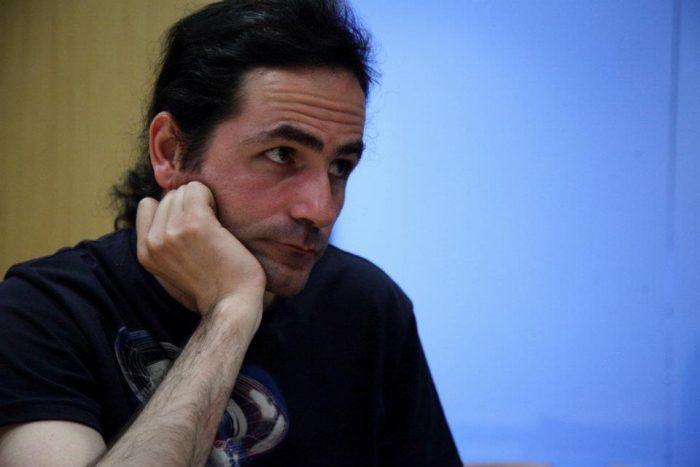
The course is conducted by Ruben Arevshatyan
Nvard Yerkanian
Elena Aydinyan
Hrach Bayadyan
Ruben Arevshatyan
Zhanna Andreasyan
Vardan Azatyan
Vahram Aghasyan
Vardan Jaloyan
Arman Grigoryan
Susanna Gyulamiryan
Angela Harutyunyan
Siranush Dvoyan
Anna Galstyan
Sona Harutyunyan
Nazareth Karoyan
Eva Khachatryan
Grigor Simonyan
Naira Mkrtchyan
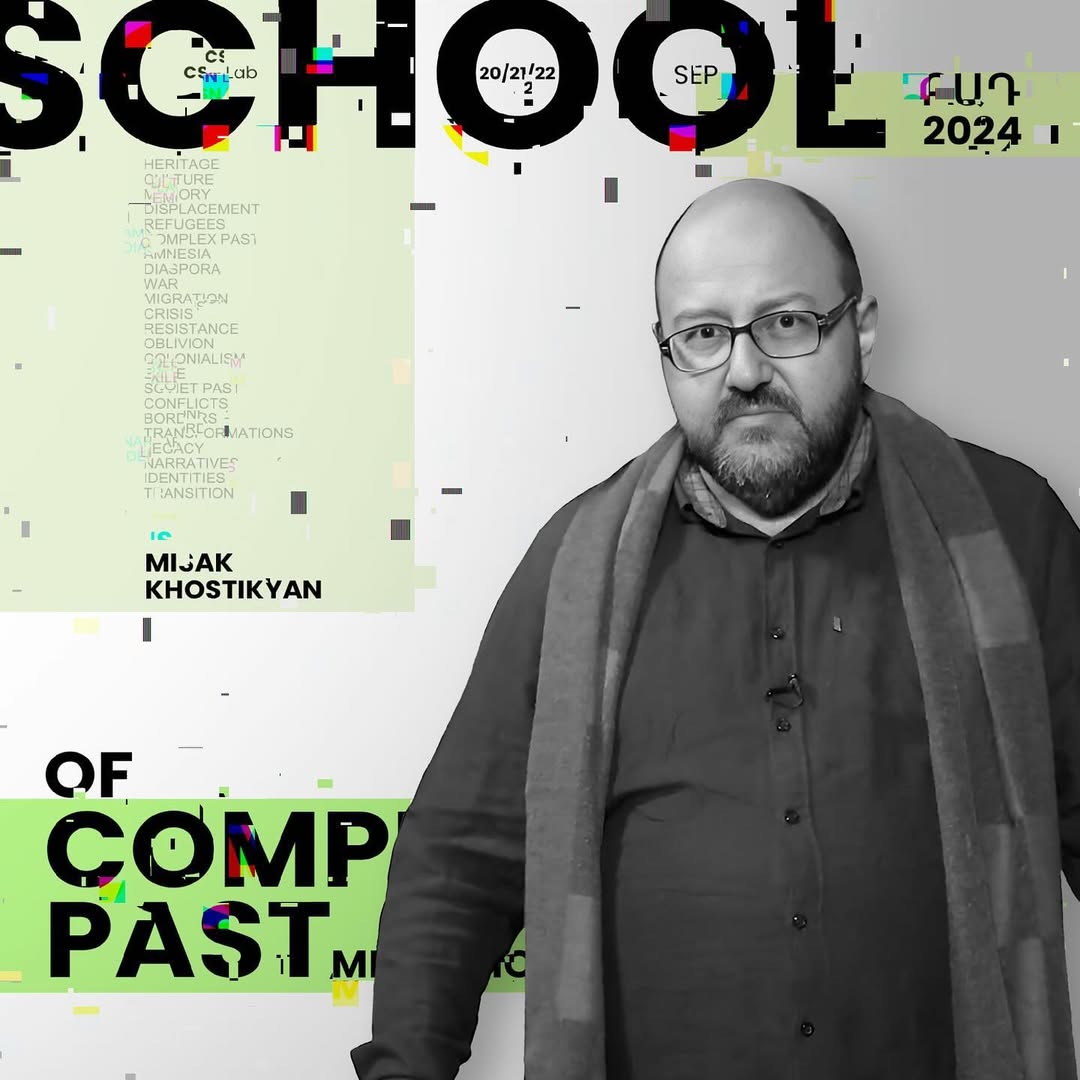
Misak Khostikyan
Ashot Voskanyan
Lilit Sargsyan
Samvel Partamyan
2008
Ցուցահանդեսային
գործ և լուսաբանում
Նորա Գալֆայան
Արուսյակ Գյուլբուդաղյան
Կարին Գրիգորյան
Օֆելյա Զաքարյան
Անի Պետրոսյան
Տաթևիկ Լազարյան
Մարիաննա Հովհաննիսյան
Նազելի Օհանյան
2009 -2010
Մշակութային նախագծի
մշակում և լուսաբանում
Հարություն Ալպետյան
Արմենակ Գրիգորյան
Կարին Գրիգորյան
Նելլի Եդիգարյան
Գոռ Ենգոյան
Նվարդ Երկանյան
Թագուհի Թորոսյան
Լիանա Խաչատրյան
Լուսինե Համասյան
Լիլիթ Ղալեչյան
Սոնա Մելիք-Քարամյան
Սեդա Շեկոյան
Օվսաննա Շեկոյան
2010-2012
Մշակութային ծրագրի
նախագծում և իրականացում
Անուշ Արշակյան
Տիգրան Գրիգորյան
Մարիամ Լոռեցյան
Իննա Խոլոդովա
Վաղինակ Ղազարյան
Լուսինե Նավասարդյան
Էդուարդ Պասկեվիչյան
Դավիթ Վարդանյան
Արվեստի քննադատության եւ կուրատորական ուսումնասիրությունների դպրոց
2012-2014
2013-2015
Կարինե Արոյան
Անի Ասատրյան
Նունե Այդինյան
Ռուզաննա Գրիգորյան
Թերեզա Դավթյան
Լիլիթ Անտոնյան-Կոնոպլևա
Էլզա Մարտիրոսյան
Սոնյա Մսրյան
Հայկ Պետրոսյան
Սոնա Քալանթարյան
2014-2016
2018 – 2019
Տիգրան Ալեքսանյան
Սուսաննա Ամուջանյան
Սոնա Արսենյան
Լիլիթ Գրիգորյան
Մարիա Զաքարյան
Անի Թունյանց
Մարինե Խաչատրյան
Ռոլանդ Խաչատրյան
2024 – 2026
Էմմա Մուրադյան
Նազելի Ութուջան
Մերի Ամիրխանյան
Անթառամ Ազատյան
2025 – 2027
Անի Տոնոյան
Գայանե Ղազանչյան
Տաթևիկ Մկրտումյան
Տիգրան Չադոյան
Antaram Azatyan
Emma Muradyan
Nazeli Utujyan
Mary Amirkhanyan
Karin Grigoryan
Nora Galfayan
Marianna Hovhannisyan
Nazaeli Ohanyan
Gor Yengoyan
Taguhi Torosyan
Harutyun Alpetyan
Armenak Grigoryan
Liana Khachatryan
Sona Melik-Karamyan
Arevik Grigoryan
Lousineh Navasartian
Sona Asatrian
Inna Kholodova
Nareh Sahakyan
Vahe Budumyan
Anna Zhamakochyan
Lena Nazaryan
Marianna Vardanyan-Mishoyan
Arpi Ohanyan
Teresa Davtyan
Lilit Antonyan
Marine Khachatryan
Lilit Grigoryan
Maria Zakaryan
Ani Tuniyants
2012-2014 Ուսումնական տարի
Լենա Նազարյան
Մի տեղ լինի՝ գնանք աշխատենք
Այս հետազոտության խնդիրն է նկարագրել Խորհրդային Միության փլուզումից հետո Հայաստանի գյուղական համայնքներում ծագած աշխատանքի խնդիրը: Որպես լակմուսաթուղթ դիտարկվելու են Հայաստանի Լոռվա մարզի Թեղուտ և Շնող համայնքները, որոնց վարչական տարածքներում ՀՀ կառավարության 2001 թվականի որոշմամբ սկսվեցին պղնձամոլիբդենային հանքի շահագործման նախապատրաստական աշխատանքները և զուգահեռ ծավալվեցին հասարակական քննարկումներ՝ գյուղերում աշխատատեղեր ստեղծելու շուրջ։
Նարե Սահակյան
Դրվագներ 1990–ականների հայաստանյան կոնցեպտուալ արվեստի. հարաբերություններ եւ դիրքորոշումներ
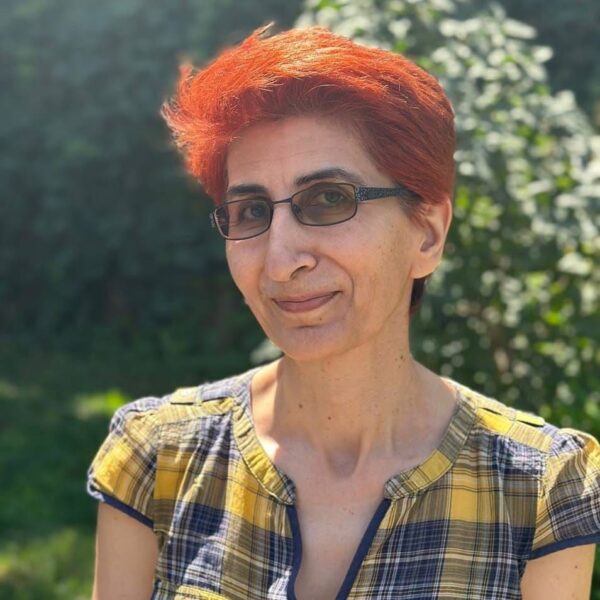
Աշխատանքը գրելիս հեղինակը առաջնորդվել է այն հարցով, թե ինչ առանձնահատուկ խոսակցություն է ձեւավորվում արվեստագետների միջեւ, ովքեր միասին փորձում են գործարկել մեկ ընդհանուր հղացք՝ հանդես գալ նույն ցուցահանդեսում, իրականացնել համատեղ արվեստային նախագիծ: Ի՞նչ դիրքեր են բռնում արվեստագետները այս խոսակցության մեջ՝ կախված նրանց արվեստային դիրքորոշումներից։ Ի՞նչ է ստացվում, երբ այդ խոսակցության մեջ մի ինչ-որ իմաստ սղվում է, կամ խոսակցությունից դուրս ծավալվող այլ մտահոգություն դառնում է խոսակցության մտահոգությունը: Արվեստագետների միջեւ այս խոսակցությունը նրանց՝ որպես արվեստագետների հարաբերությունների հիմքն է, որն իր հերթին կառուցում է արվեստի դաշտում տիրող իրավիճակը:
Վահե Բուդումյան
2000ականների Հայաստանի ժամանակակից արվեստի ռազմավարությունները Փաստագրականություն եւ այլաշրջում
Այս աշխատությունն իրականացել է մի առանձնահատուկ հարցի շուրջ մտորումների արդյունքում. ի՞նչ դեր ունեն արվեստի միջոցները արվեստի աշխատանքների կայացման գործում: «Միջոց» ասելով` նկատի ունենք արվեստի գործի ֆիզիկական կրիչից (կտավ, ժապավեն եւ այլն) ածանցվող պայմանականությունների խումբը, որից ելնում է արվեստագետի ռազմավարությունը` արտահայտչաձեւերի, մեթոդների եւ հնարքների ամբողջությունը: Դժվար չէ նկատել, որ հարցը պարունակում է կանխադրույթ, այն է` արվեստի միջոցները չեզոք չեն, դրանք ներգրավված են արվեստի գործերի ձեւավորման գործընթացում, ավելին` դրանք գործերի անխուսափելի եւ անօտարելի մասն են։